.png)
Religious rhetoric in America is becoming increasingly volatile, fueled by political polarization and social shifts. While faith can serve as a source of comfort, community, and moral guidance for many, it can also become a weapon when wielded with arrogance, entitlement, or a lack of empathy.
This is a reality I grapple with daily, especially when dealing with my uncle — a deeply religious man who believes his faith and worldview are inherently superior to others’. His rhetoric isn’t just personal; it’s emblematic of a broader trend that threatens the fabric of our nation.
Take a message he recently sent me:
“That is why I love my family, but I hate the devil and his demons. He is a deceiver and a liar. I am glad that God’s word taught me how to love unconditionally and without expecting it back. Just because I don’t accept your sexuality, doesn’t mean I don’t accept you as a human being. Believe me, I know I mess up, but at least God forgave me for my sins.”
At first glance, his words might seem loving, even humble. But dig deeper, and you’ll find a stark contradiction. His claim to “unconditional love” falls apart when paired with the dismissal of a core part of my identity, my sexuality. For LGBTQ+ individuals, our identities are not merely facets of our lives; they are integral to who we are. To reject or “not accept” our identities is, in essence, to reject us as people.
This isn’t just a family matter, it’s a microcosm of a larger issue. Across the nation, religious rhetoric is increasingly being used to justify exclusion, judgment, and even harm. Whether it’s attacking the LGBTQ+ community, undermining racial justice movements, or weaponizing faith to support oppressive policies, this kind of rhetoric feeds into a dangerous cycle of division and dehumanization.
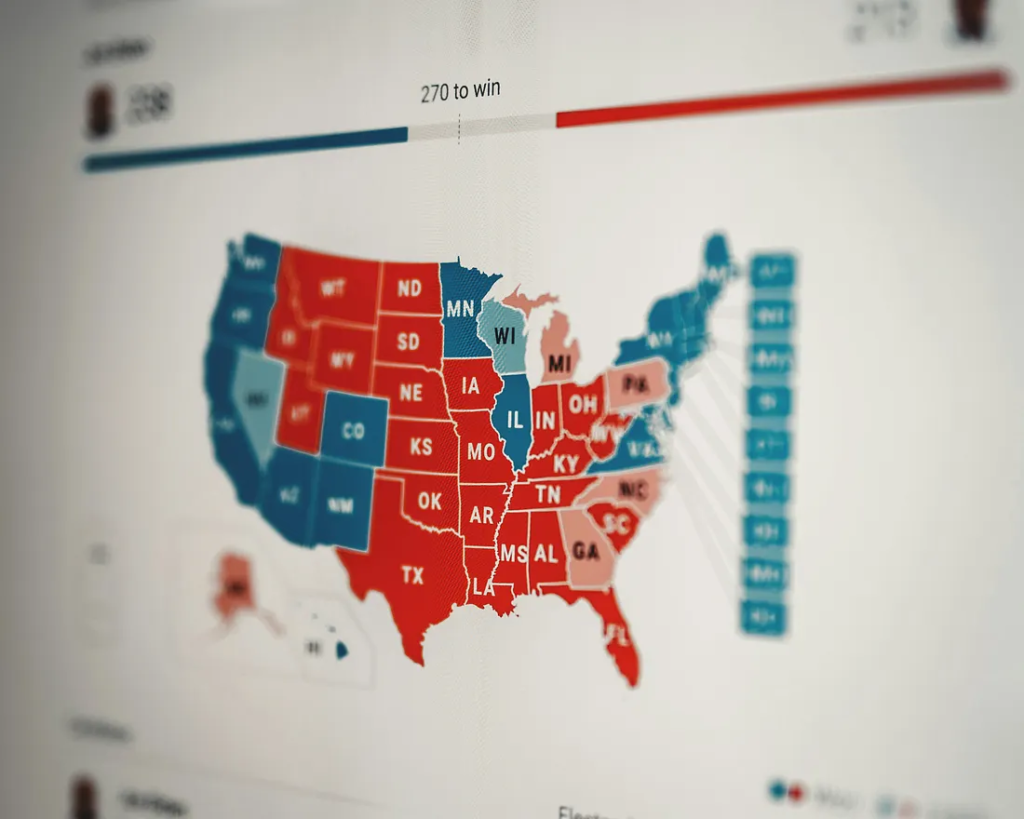
The roots of this trend can be traced back to a time when America’s divisions began to widen. The election of Barack Obama in 2008, as the nation’s first Black president, was a moment of historic progress. Yet, instead of uniting us, it exposed deep racial and ideological fault lines. According to the Pew Research Center, by 2016, race relations were described as “generally bad,” following high-profile incidents of police violence and the rise of movements like Black Lives Matter. The backlash to Obama’s presidency, coupled with the ascent of Donald Trump, further polarized the nation.
Religious conservatives played a significant role in this shift. For decades, the Republican Party championed family values and fiscal conservatism, but under Trump, those values morphed into something darker, nationalism wrapped in a veneer of faith. This is the climate my uncle thrives in: a world where conservative Christianity isn’t just a belief system but a political weapon, used to judge, control, and silence those who dare to be different.
The danger of weaponized faith
Religious rhetoric becomes dangerous when it moves from personal conviction to public imposition. My uncle often posts videos on Facebook, where he openly criticizes others, claiming moral superiority while dismissing the very empathy and compassion that his faith supposedly teaches. This hypocrisy isn’t unique to him; it’s part of a broader trend where religion is used not as a guide for personal growth but as a tool to demean others and validate harmful ideologies.
The rise of this rhetoric coincides with what I call the “American Taliban” mentality — a form of radical conservatism that mirrors authoritarian regimes in its rigidity and intolerance. It’s a mindset that seeks to control others under the guise of morality while ignoring the harm it causes.
Embracing Empathy and Accountability
America is at a crossroads. As we transition into a new presidency, the next four years will determine whether we can heal these divisions or deepen them further. The stakes are high, and the challenges are immense. Religious rhetoric, if left unchecked, will continue to fuel division, alienate marginalized communities, and erode the principles of equality and justice.
But there’s hope. Healing starts with conversations — difficult, honest ones. When my uncle says, “Just because I don’t accept your sexuality doesn’t mean I don’t accept you as a human being,” I want to tell him:
“Unconditional love and acceptance mean embracing people for who they are without judgment. Rejecting someone’s identity, be it their sexuality, gender, race, or beliefs, is inherently rejecting them. True empathy requires listening, understanding, and growing beyond our biases.”
Will he listen? Maybe not. But that doesn’t mean the effort isn’t worth it. Change doesn’t happen overnight, and progress often meets resistance. Yet, by challenging harmful rhetoric, fostering empathy, and holding people accountable, we can push back against the tide of division.
America, we can do better. We must do better. As citizens, we have a responsibility to confront the dangers of religious and political extremism. It’s not enough to hope for change, we must actively work for it, starting with ourselves and our communities.
Let’s reject the rhetoric of hate and division and choose instead to build a future rooted in compassion, understanding, and genuine acceptance. Only then can we move forward, united, toward a better America.